The Future of EV Charging Infrastructure Across Cities and Highways
As electric vehicles become a central part of global transportation, charging infrastructure is emerging as one of the most critical factors shaping their adoption.


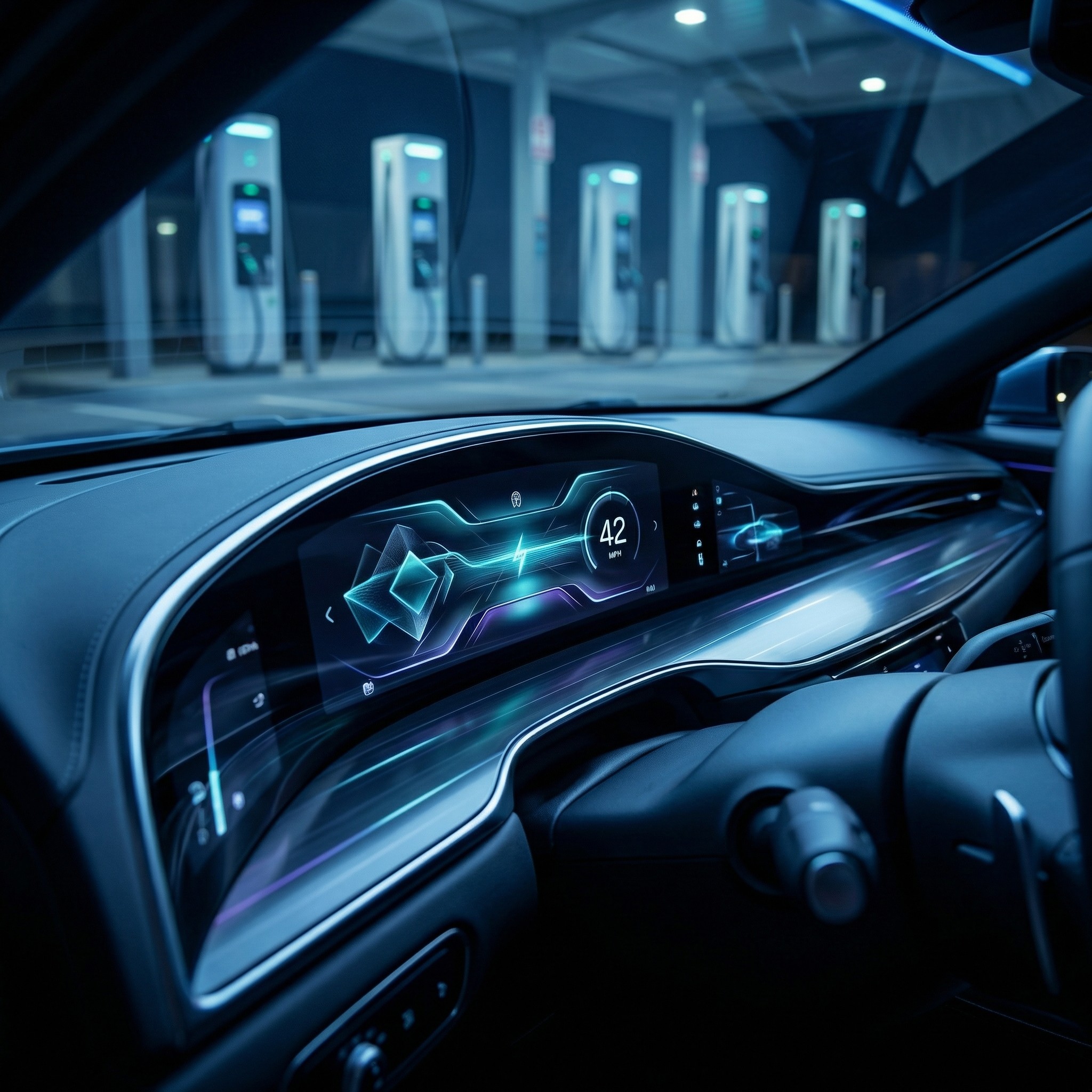
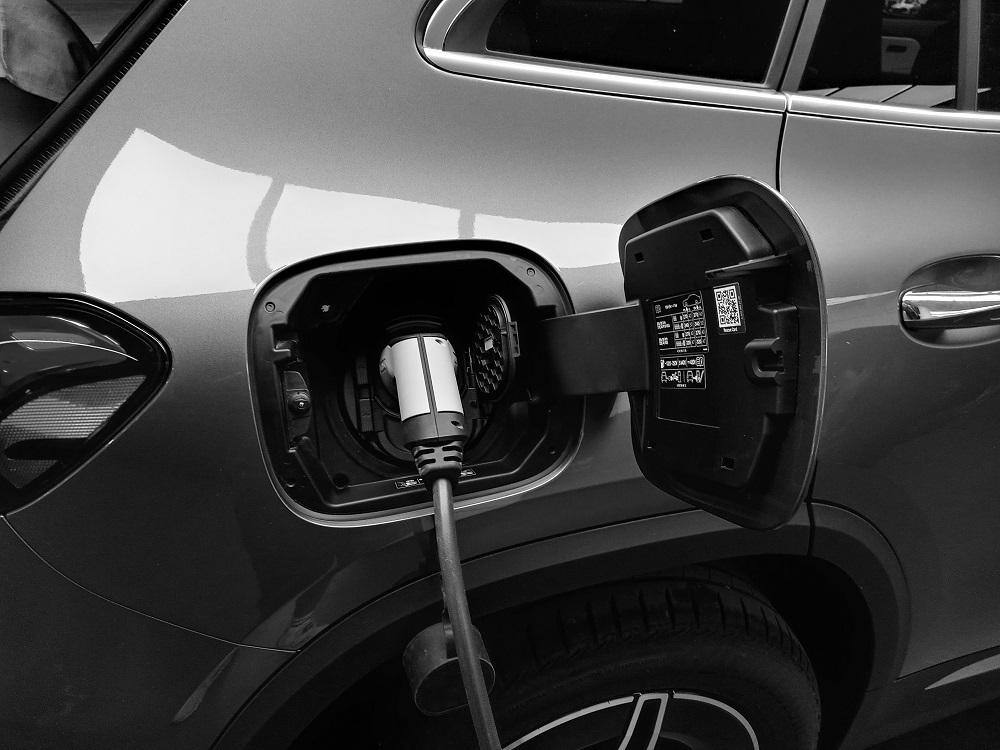
As electric vehicles become a central part of global transportation, charging infrastructure is emerging as one of the most critical factors shaping their adoption. The success of the electric vehicle transition depends not only on better batteries or vehicle design, but on how seamlessly drivers can recharge their cars in daily life and on long-distance journeys. Cities and highways are evolving into connected energy networks, redefining how mobility is powered.
Urban Charging and the Changing City Landscape
Cities are at the forefront of EV charging innovation. With limited space and high population density, urban environments require creative solutions such as curbside chargers, integrated parking infrastructure, and shared charging hubs. Residential charging access remains a challenge, especially in apartment-heavy areas, pushing municipalities to rethink public charging availability as an essential service rather than a convenience.
Fast Charging and the Highway Experience
Highway charging infrastructure is transforming long-distance travel for electric vehicle drivers. High-power fast chargers positioned along major routes reduce charging times and increase confidence for cross-city and cross-country travel. Future highway networks are being designed with reliability and scalability in mind, ensuring consistent coverage and minimizing range anxiety.
Smart Grids and Energy Integration
The next generation of EV charging will be deeply connected to smart energy systems. Charging stations are increasingly integrated with renewable energy sources, energy storage, and intelligent grid management. These systems balance demand, reduce strain on power networks, and enable vehicles to become active participants in energy ecosystems rather than passive consumers.
Standardization and Interoperability
As charging networks expand, consistency becomes essential. Standardized connectors, unified payment systems, and cross-network compatibility are shaping a more user-friendly experience. Interoperability ensures that drivers can access charging infrastructure across regions without navigating complex memberships or technical barriers.
Equity and Access in Charging Development
Ensuring fair access to charging infrastructure is a growing priority. Urban planning increasingly considers underserved communities, rural areas, and regions with limited private charging options. Expanding equitable access supports broader EV adoption and ensures that the benefits of electric mobility are shared across socioeconomic groups.
The Role of Policy and Private Investment
Government policy and private investment play complementary roles in shaping charging infrastructure. Incentives, regulations, and public funding accelerate deployment, while private companies drive innovation and competition. Collaboration between public and private sectors helps align infrastructure growth with real-world demand.
Looking Ahead to a Connected Charging Future
Future EV charging will be faster, smarter, and more seamlessly integrated into everyday environments. Wireless charging, vehicle-to-grid technology, and automated charging solutions are already being tested. As infrastructure matures, charging an electric vehicle will feel as effortless and reliable as refueling once did.
The future of electric mobility depends on trust in charging networks. By expanding infrastructure across cities and highways, societies remove one of the last major barriers to EV adoption. A well-designed charging ecosystem does more than support vehicles—it empowers drivers, strengthens energy systems, and accelerates the transition to sustainable transportation.



Newsletter
Mantenha-se atualizado com as maiores novidades e tendências.
Assine nossa newsletter e seja o primeiro a ter acesso a conteúdos exclusivos e insights especializados.
Destaques




- Parceria Paga -

Clique em "veja mais" e descubra o quanto você pode economizar.

Related Post


on
16 de fev. de 2026
For centuries, live performances have been defined by one simple promise: you had to be there. A shared space, a fleeting moment, an unrepeatable experience.